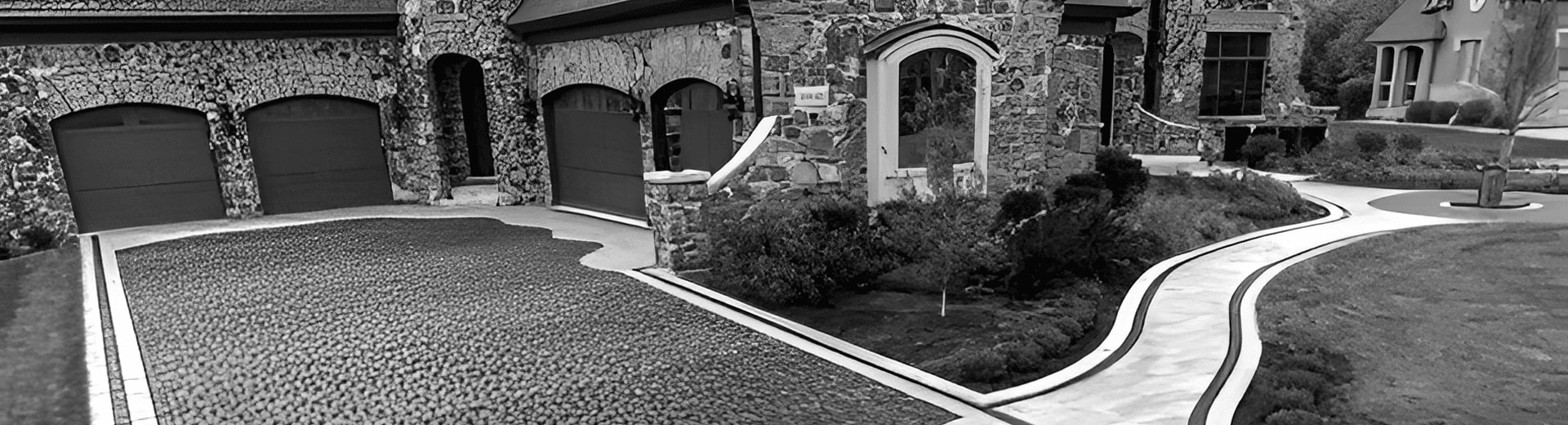
Paver Patios vs Concrete: Which Performs Better in Florida’s Climate
If you’re weighing a paver patio vs concrete for a Jacksonville, FL backyard, you’re smart to look beyond looks alone. Our coastal heat, humidity, sandy soils, and fast, heavy rain put every outdoor surface to the test, so the material that handles Florida best will save you stress over the long haul.
Below, we break down how each option stands up to Northeast Florida conditions, from summer sun to tropical downpours. You’ll see where pavers excel, where poured concrete makes sense, and how to choose with confidence for neighborhoods like Riverside, San Marco, Mandarin, and the Beaches. If you’re leaning toward a custom design, explore professional paver installation that’s built for Florida weather.
Durability in Sandy Soil and Seasonal Rains
Jacksonville’s soils range from sandy near the coast to sand-and-clay blends inland. During dry spells, the ground settles. After storms, it swells. Rigid concrete slabs don’t flex much, so hairline or larger cracks can appear where the base shifts or tree roots push up. Repairs often remain visible because color and texture rarely match perfectly.
Interlocking pavers handle movement differently. Each unit is small and supported by a compacted base with sanded joints, so the surface can flex slightly without cracking across the whole patio. If one unit chips or a corner settles, it can be lifted, the base adjusted, and that area restored to like-new.
Root And Edge Pressures
Live oaks and palms give us generous shade, but roots create point pressure. Concrete concentrates stress in one slab. Pavers spread the load across many units and can be reset if a root swells. Proper edge restraints also keep the field locked in, even near drive lanes and cart paths.
Drainage and Flood Resilience
Afternoon thunderstorms, king tides, and tropical systems can drop inches of rain in short bursts. Solid slabs tend to collect water in low spots unless multiple drains and slopes are set just right. Standing water invites algae and makes surfaces slick.
Pavers offer built-in water relief through their joints. Even nonpermeable designs reduce puddling, and permeable paver systems go further by moving water down into a graded stone base. That helps reduce runoff toward foundations and lets patios return to use faster after a storm.
- Concrete relies on pitch and drains; if either is off, water lingers and stains.
- Pavers spread and shed water through joints, so surfaces dry quicker after summer downpours.
Quick tip: In shaded, damp areas, prioritize surfaces that shed water quickly to limit slippery growth and long cleanup times.
Heat, Comfort, and Color in Full Sun
The Florida sun is relentless. Concrete can store heat, which makes it uncomfortable under bare feet and raises surrounding temperatures on still afternoons. Lighter mixes reflect more light, but many slabs still feel hot around 3 p.m. in July.
Pavers can run cooler for two reasons. First, joint lines break up the surface and let a little air circulate. Second, there’s a wide color and finish range, including lighter tones and textured faces that don’t hold heat as readily. Around pools and in west-facing yards, lighter paver blends often feel more comfortable during peak sun.
UV and Finish Longevity
Sealers on stamped or colored concrete can weather under UV and need periodic refresh to keep tones even. Many pavers have color through the unit rather than just on top, so scuffs are less visible, and color holds more consistently over time.
Maintenance and Repairability Over Time
Every outdoor surface in Jacksonville needs some care thanks to salt air, pollen, and humidity. The big difference is how repairs look after you make them.
With concrete, cleaning is straightforward, but patching cracks or stains rarely blends perfectly. You can resurface or recolor, yet spot repairs remain noticeable to trained eyes. Heavier issues often mean replacing larger sections.
Pavers favor small, precise fixes. If a grill foot or chair leg leaves a mark, that individual unit can be swapped. If a corner settles, crews can lift and re-level a few square feet. That targeted approach keeps outdoor spaces usable without major disruption.
- Concrete: Simple to clean, but cracks and stains often remain visible after patching.
- Pavers: Individual-unit replacement makes repairs blend in and limits downtime.
Homeowner advantage: Plan for a surface you can refresh in small sections, so you’re not committing to a full tear-out when a problem pops up.
Style, Patterns, and Curb Appeal
Concrete gives you clean, modern lines and wide, open spans. With the right finish, it pairs nicely with contemporary homes in eTown and Nocatee. If you love a minimalist look with broad, uninterrupted planes, concrete can be a good fit.
Pavers unlock more visual variety. Mix sizes and laying patterns for interest, or choose tumbled textures for historic homes in Riverside and Avondale. Color blends can echo roof or trim tones, which helps new patios look like they’ve always belonged there.
Where Each Material Makes The Most Sense
Use the setting and daily use to pick the winner for your yard. These quick scenarios can help you decide:
Choose Pavers When
You want flexible durability, faster drainage, and easy, nearly invisible repairs. That’s especially useful for pool decks, curved patios around old trees, and areas that see occasional vehicle loads like boat parking on the Intracoastal side.
Choose Concrete When
You need expansive, uninterrupted surfaces for sports courts, modern terrace pads, or minimalist walkways. With strong subgrade prep and planned joints, it offers a crisp, uniform look that many homeowners love.
Local Performance Factors To Weigh
Every property is a little different, but these factors often tip the scale one way or the other in Northeast Florida:
- Near trees or older roots: Pavers are easier to adjust if a root lifts a corner over time. Concrete may need cutting and more visible patchwork.
- High shade and humidity: Pavers’ joints help rain clear faster in spots that stay damp, like the north side of homes. With concrete, algae can collect in low areas, so surface texture and slope become critical.
- Coastal exposure: Salt air and windblown sand can wear coatings faster. Through-body paver color helps hide scuffs, while concrete often depends on top-applied finishes to maintain a uniform look.
- Architectural style: Historic bungalows in San Marco often pair beautifully with tumbled blends. New builds in St. Johns communities may favor crisp, large-format pavers or smooth concrete pads for sleek lines.
Installation Quality Matters More Than The Material
Whether you choose a paver patio or a poured slab, the base and detailing decide how it holds up. In our climate, that means tight soil compaction, the right base depth for use, careful grading away from the home, and thoughtful transitions at doors, lanais, and screen enclosures. It also means using edge restraints for pavers and proper joint spacing for concrete.
If you’re comparing bids, pay attention to the plan for water movement, not just the surface choice. A small tweak to slope, base depth, or joint material can add years of trouble-free use after summer storms roll through Mandarin and along the St. Johns River.
How To Make A Confident Choice
Start with how you live outdoors. If quick drainage, cooler surfaces, and invisible spot repairs are high priorities for your family, pavers are tough to beat. If your design calls for broad, unbroken planes and a crisp, modern aesthetic, concrete delivers that look with strength.
When you’re ready to compare finishes side by side, lean on a trusted Jacksonville outdoor living spaces company to walk you through color boards, textures, and base options that fit your yard and your routines.
A Head-To-Head Summary For Jacksonville Homes
Both materials can succeed here with good planning. Consider this quick recap before you decide:
- Heat and comfort: Pavers generally feel cooler underfoot thanks to joint lines and lighter color options. Concrete can run hotter in direct sun, especially in darker tones.
- Drainage and slip resistance: Pavers disperse water through joints and can be built over permeable bases to reduce puddles. Concrete depends on pitch and drains, which demand a precise layout to avoid standing water.
- Repairs and upkeep: Pavers win for replace-one-unit fixes and discreet leveling. Concrete repairs are more visible, and color-matching is challenging on older slabs.
- Style and resale: Concrete offers a streamlined, modern canvas. Pavers bring pattern, texture, and color depth that boost curb appeal in many neighborhoods.
- Structure and settling: Concrete is a single rigid body that’s strong but less forgiving when soils shift. Pavers flex as a system, which helps prevent widespread cracking.
When Concrete Still Comes Out On Top
There are times when poured concrete is simply the right tool. If you need long, straight runs for accessibility, want a monolithic surface for sports or entertainment, or prefer minimalist design with a hand-troweled finish, concrete is a solid choice. Just plan expansion and control joints thoughtfully and maintain surface traction in damp, shaded zones.
The Bottom Line For Jacksonville Backyards
In Florida’s climate, pavers typically offer better drainage, cooler surfaces, and easier, more discreet repairs, while concrete delivers clean lines and uninterrupted spans. Your best pick depends on how your family uses the space, the shade and sun on your lot, and the look that fits your home.
Ready to create an outdoor space that works all year in Jacksonville, FL? Call New Surface Exteriors at 904-844-8555 and let’s design the right surface for your home.
Get A Free Quote
Our Services
-
Outdoor Living
Learn More About Outdoor Living -
Hardscaping
Learn More About Hardscaping -
Concrete Services
Learn More About Concrete Services -
Paver Installation
Learn More About Paver Installation -
Pressure Washing
Learn More About Pressure Washing -
Soft Washing
Learn More About Soft Washing
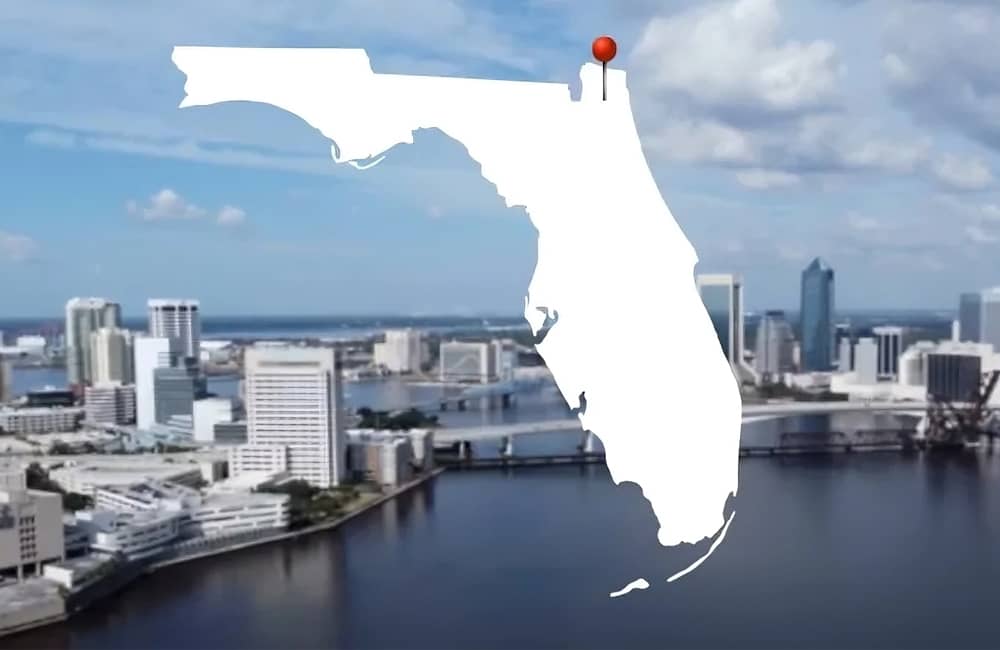
Cities & Neighborhoods We Serve
New Surface Exteriors serves a wide area, offering our entire array of professional hardscaping and maintenance services to ensure homes all across our service areas are looking their absolute best 24/7.
Below, we've listed the areas where we proudly offer outdoor living and hardscaping services:
- Jacksonville, FL
- Ponte Vedra, FL
- Amelia Island, FL
- St Augustine, FL
- Orange Park, FL
- Middleburg, FL
- Lakeside, FL
- Nocatee, FL
- Oakleaf, FL
- Fernandina Beach, FL
We proudly serve clients across Northeast Florida and South Georgia — and we're willing to travel throughout the state for large or custom outdoor living projects.